It’s never too early to plan for 2018

Rotation isn’t only about alternating crops and fields — it should also include varieties and herbicide-tolerance systems

After challenging conditions for last year’s harvest and this spring’s seeding, most growers are focusing on this year’s crop rather than looking ahead to next spring. But what they’re seeing in the field this year can provide valuable information for planning next year’s crop.

“Once they have planted and sprayed and confirmed the weed problems in their field, their current crop mix and herbicide-tolerance system, then they have the information they need to start thinking about options for next year,” says Scott Anderson, manager of agronomic services for Crop Production Services (CPS) in northwest Saskatchewan.

Keith Gabert, a Canola Council of Canada agronomy specialist in central Alberta, says careful scouting and recordkeeping can really help variety selection for next year.

Read the rest of the article on Western Producer.
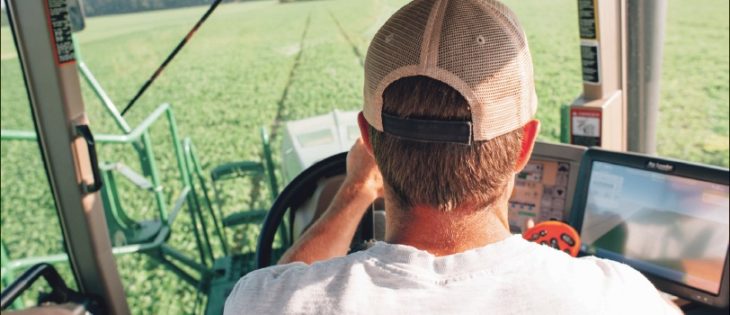
Putting precision farming data to work in the field

The technology offers a lot of promise, but every piece of equipment needs to speak the same language

Most Prairie grain farmers today are collecting data. Their combines, seeders and sprayers have the tools needed to measure, calculate, evaluate and report just about every activity in the field. But a recent survey indicates only about one-third of those collecting the data are putting it to work. What’s standing in the way?

“Taking the time to prioritize and properly document things such as application rates and field-scouting details, is one of the biggest challenges for growers, whether by entering it directly into the system or using a notepad,” says Scott Anderson, manager of agronomic services for Crop Production Services in northwest Saskatchewan. But he says recording it digitally is key, as it’s the only way advisers can access and use the information.

“A lot of the monitors in the machinery can log data which makes it easier. But now we need to work on pulling that data together and using it.”

Kris Klammer, who farms near Vegreville, Alberta agrees, and says it’s question of good data in, good data out.

Read the full article on Western Producer.

Sarah Hoffmann is pulse proud

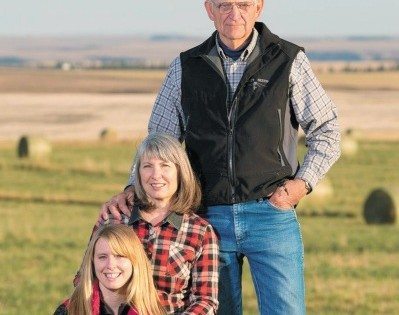
Sarah Hoffmann is a second-generation farmer near Three Hills, Alta. Since 2011, Sarah has farmed full-time with her parents, Garry and Karen Weigum in their pedigree seed operation, Alect Seeds. She married Curtis Hoffmann, a farmer from Oyen in 2015, and now splits her time between the two operations.

Sarah is a dedicated pulse grower and comes by it naturally, as her father first tried yellow peas in 1991 along with the cereal crops he was growing at the time. “My Dad is curious and likes trying new things. It started with about 14 acres and grew from there,” said Sarah, adding farmers are always looking for ways to diversify their crop rotations.

They currently grow wheat, barley, flax, yellow peas, grass and recently added faba beans to the pedigree seed business. “The first year we tried faba beans was in 2013 and there was some buzz around that crop again,” said Sarah.

Read the rest of the article on Western Producer